There is only one true Haute Route: Chamonix to Zermatt. While its history is well documented and numerous variations exist, the essence of the journey remains the same.
This iconic ski touring traverse can be tackled in several styles, from a single grueling push to a multi-day, hut-to-hut adventure. Ultra-fit athletes in ideal conditions might chase records, but for those who want to truly absorb the breathtaking alpine vistas, we highly recommend a six- to eight-day tour.
This April, a perfect weather window opened up. We adjusted our hut bookings at the last minute and seized the opportunity. Two strong clients and our lead guide embarked on an unforgettable journey: The Purist’s Haute Route.
It earns this title by omitting vehicular transport entirely. Today, the “Classic” Haute Route often links Argentière to Verbier using transfers and cable cars. While some might jokingly call this cheating, it is undoubtedly an easier and less technical alternative to the rigorous path our clients set out to conquer.
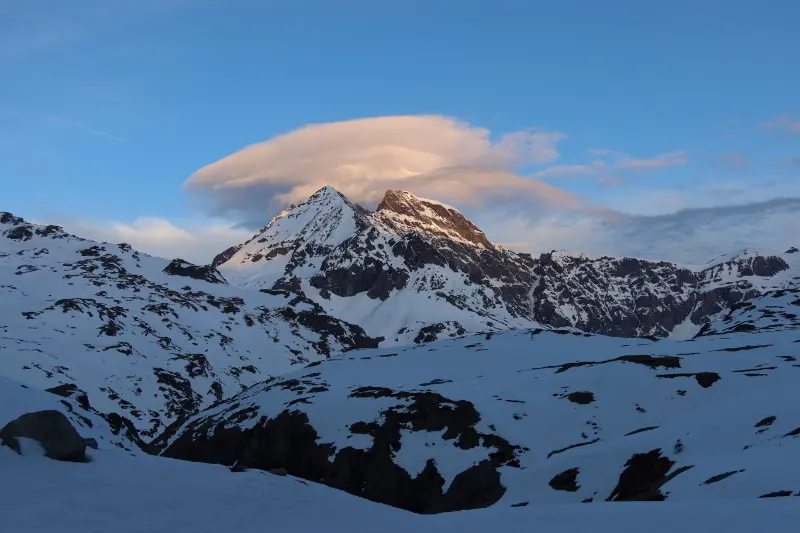
Our original plan spanned eight days. However, missing out on a booking for the Refuge d’Argentière forced us to improvise our start, and an unfavorable weather forecast led us to skip our final planned variation. Ultimately, we completed the traverse in seven magnificent days. Here is our day-to-day account:
Day 1: Argentière to Cabane de Trient
Ascent: 1,487m | Descent: 470m | Distance: 11km
Meeting at the Grands Montets cable car, we rode the lifts up and skied down to the skin track. The icy snow offered an immediate preview of the week ahead—we were in for many meters of climbing with ski crampons. Spotting the moraine beneath the Col du Passon, we opted against playing Russian roulette on day one and chose the safer line. The skin track was busy, but we navigated it smoothly, arriving at the hut hassle-free in about six hours. This opening stage requires crossing two cols with skis strapped to your backpack, a section shared with the Classic Haute Route.
Day 2: Cabane de Trient to La Fouly
Ascent: 800m | Descent: 2,350m | Distance: 15km
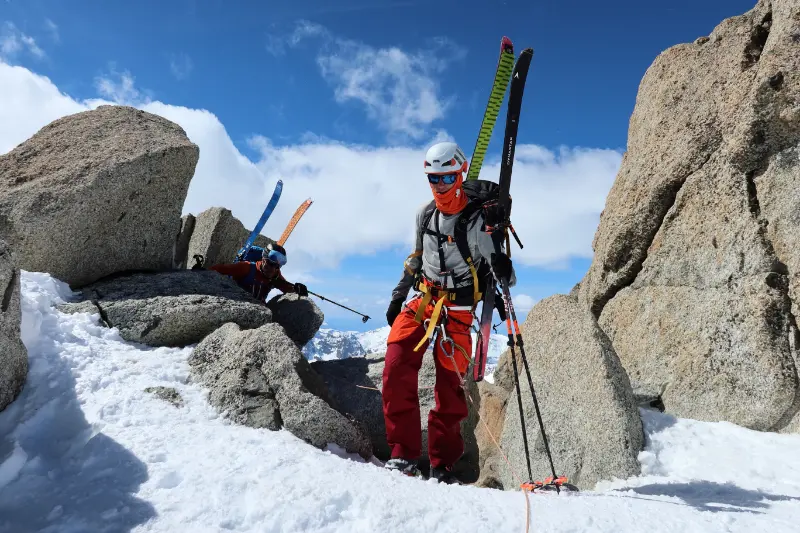
Day two is, in many ways, the crux of the entire traverse, presenting the route’s greatest technical challenges. The second col we crossed was the Col de la Grande Lui (which gives this variation its name: the Grande Lui Haute Route). Had we started from the Refuge d’Argentière, we would have tackled the Col du Chardonnet first. Coming from the Trient hut, however, we navigated the Fenêtre de Saleina instead. It proved demanding; icy, choppy conditions made for a slow, careful descent, but the sprawling glaciers on the south side were absolutely breathtaking. After catching our first glimpse of the Col de la Grande Lui, a mix of skinning and bootpack climbing brought us to the summit. What followed was the toughest skiing of the week—incredibly sticky snow that demanded our full attention. Fortunately, the welcoming hut in La Fouly, complete with a hot shower, made every challenging turn worth it.
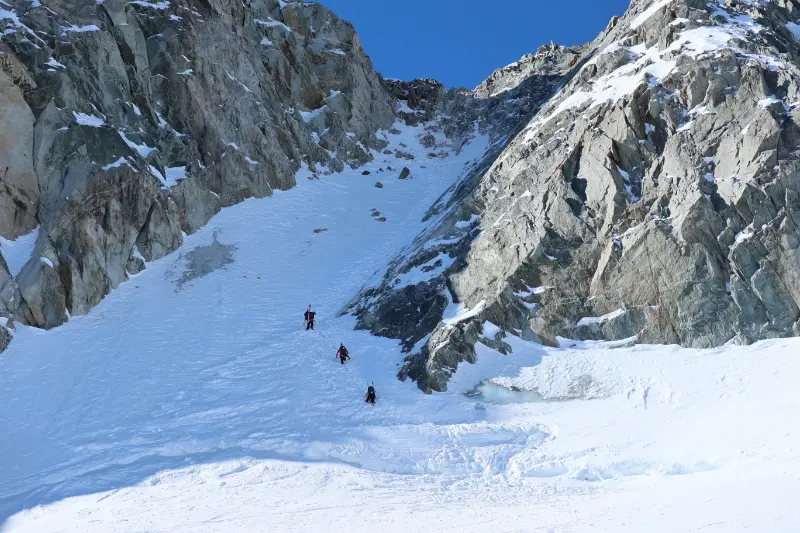
Day 3: La Fouly to Cabane du Plan du Jeu
Ascent: 1,400m | Descent: 900m | Distance: 18km
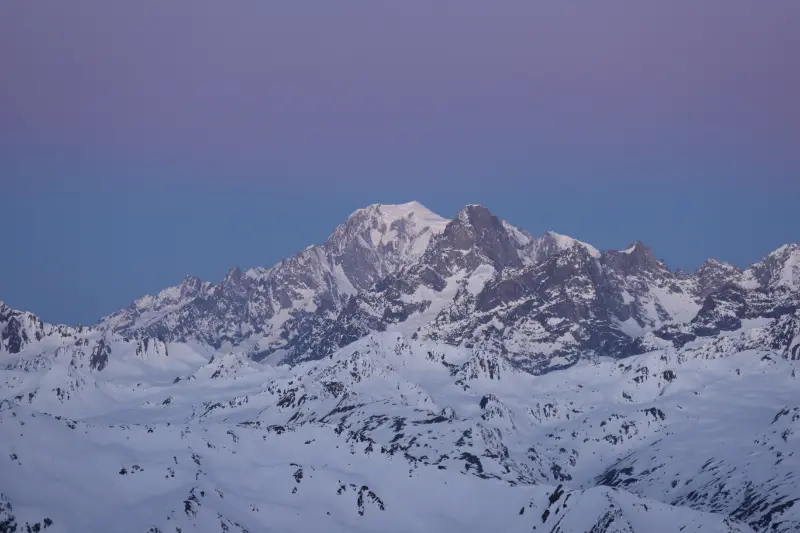
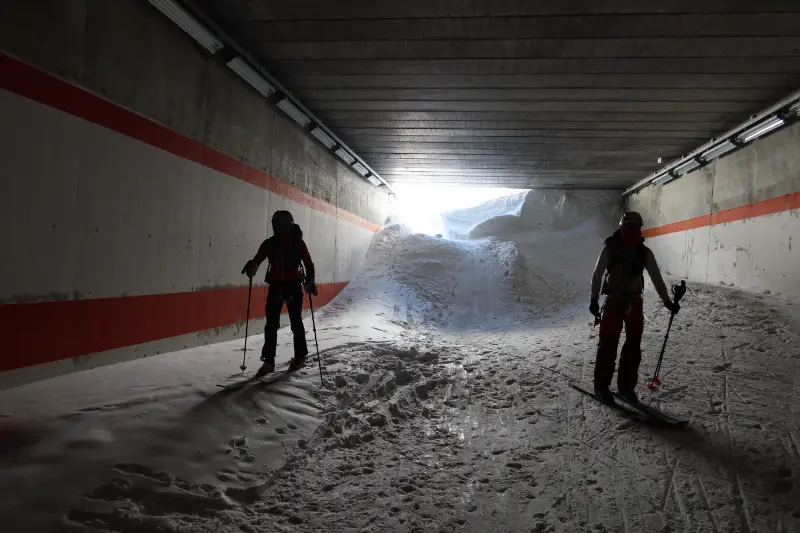
Sometimes referred to as the Grand St. Bernard Haute Route (as it crosses the famous mountain pass), this leg delivered another demanding day on icy slopes. Ski crampons were essential for the morning ascent. Passing through old avalanche debris underscored the value of our early alpine start. A unique highlight was skinning directly through the mountain road tunnel, which opened up to phenomenal views of the Mont Blanc Massif. The Cabane du Plan du Jeu deserves a special mention as well. Set beside an old ski resort and run by an incredibly hospitable guardian, it provided the perfect environment to recover for the days ahead—and the hot tub certainly didn’t hurt!
Day 4: Cabane du Plan du Jeu to Cabane de Valsorey
Ascent: 1,600m | Descent: 620m | Distance: 10km
The day began with another steep, ski-crampon climb right out of the hut doors, thankfully skipping any long road approach. Cresting the first col, we could barely spot our destination for the day: the Cabane de Valsorey, a tiny refuge expertly camouflaged against the slopes beneath the Grand Combin. Reaching it, however, required enduring an exceptionally hot, windless push—it felt like climbing inside an oven. Once there, a hearty rösti and sweeping views of Mont Vélan and Mont Blanc made the suffering fade away. Mont Vélan, in particular, was an unforgettable sight. The highlight of the day was the descent from the col: dry, powdery snow at the top transitioning into perfect spring corn at the bottom. It was easily the best skiing of the entire week.
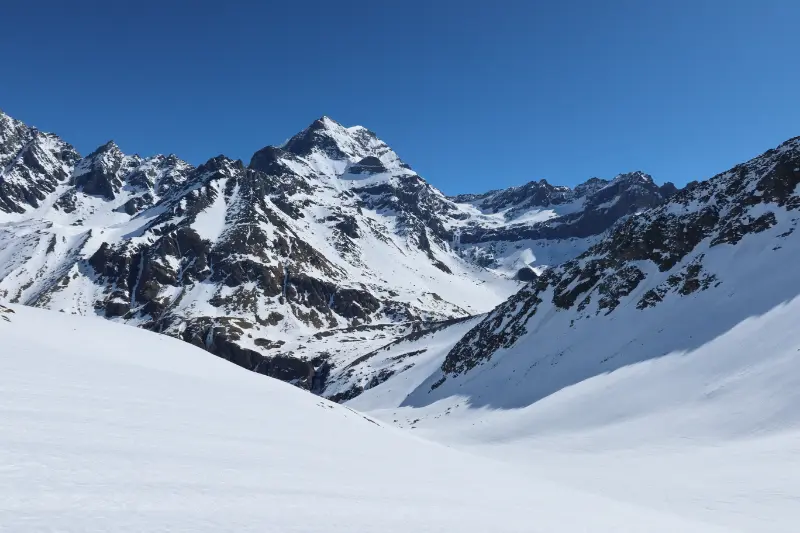
Day 5: Cabane de Valsorey to Cabane de Chanrion
Ascent: 1,050m | Descent: 1,600m | Distance: 15km
We had spent most of the previous afternoon staring up at the imposing slope towering above the hut—our objective for the following morning. The ascent was a familiar routine of ski and boot crampons. While it sounds standard, the cumulative fatigue of five days carrying heavy backpacks was beginning to take its toll. Still, the knowledge that Zermatt was drawing closer fueled our steps. We traversed around the Grand Combin, eventually arriving at the recently renovated Cabane de Chanrion. This refuge is spectacular and should serve as the gold standard for modern mountain huts. Everything is impeccably organized—very Swiss, indeed—and the staff are exceptionally friendly. Best of all? They had hot showers again.
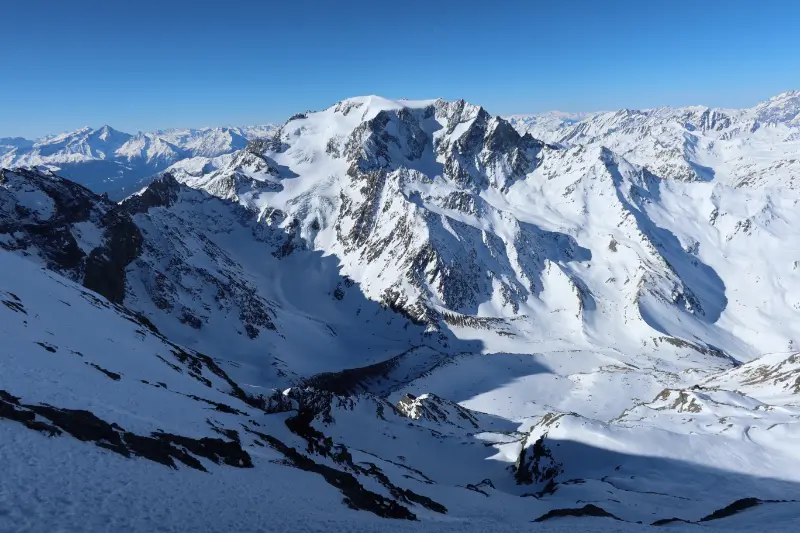
Day 6: Cabane de Chanrion to Cabane des Vignettes
Ascent: 920m | Descent: 200m | Distance: 13km
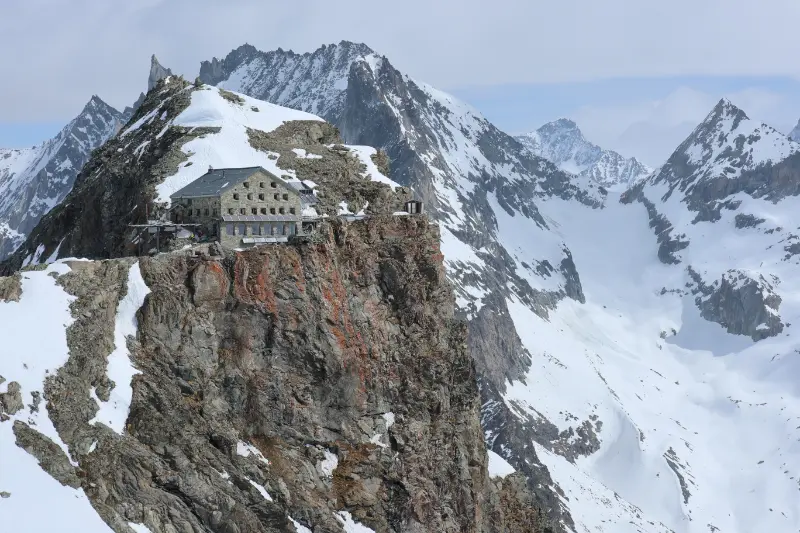
The weather forecast for day six looked grim, predicting strong winds and poor visibility on the Pigne d’Arolla. Since our clients had already summited this peak on a previous trip, they weren’t eager to endure a miserable sufferfest at the top. Instead, we opted for the less-traveled route via the Glacier d’Otemma. The morning began with a beautiful ski down into the canyon, where we were treated to the raw, natural beauty of the area, accompanied by an eagle soaring above us. Pushing onward at a strong pace, we battled fierce headwinds but were thankful for the decent visibility. Upon reaching the Cabane des Vignettes, an updated weather check prompted us to cancel our next booking at the Cabane de Bertol. This decision meant we had just one massive day left—merging with the final stage of the Classic Haute Route.
Day 7: Cabane des Vignettes to Zermatt
Ascent: 1,300m | Descent: 2,800m | Distance: 30km
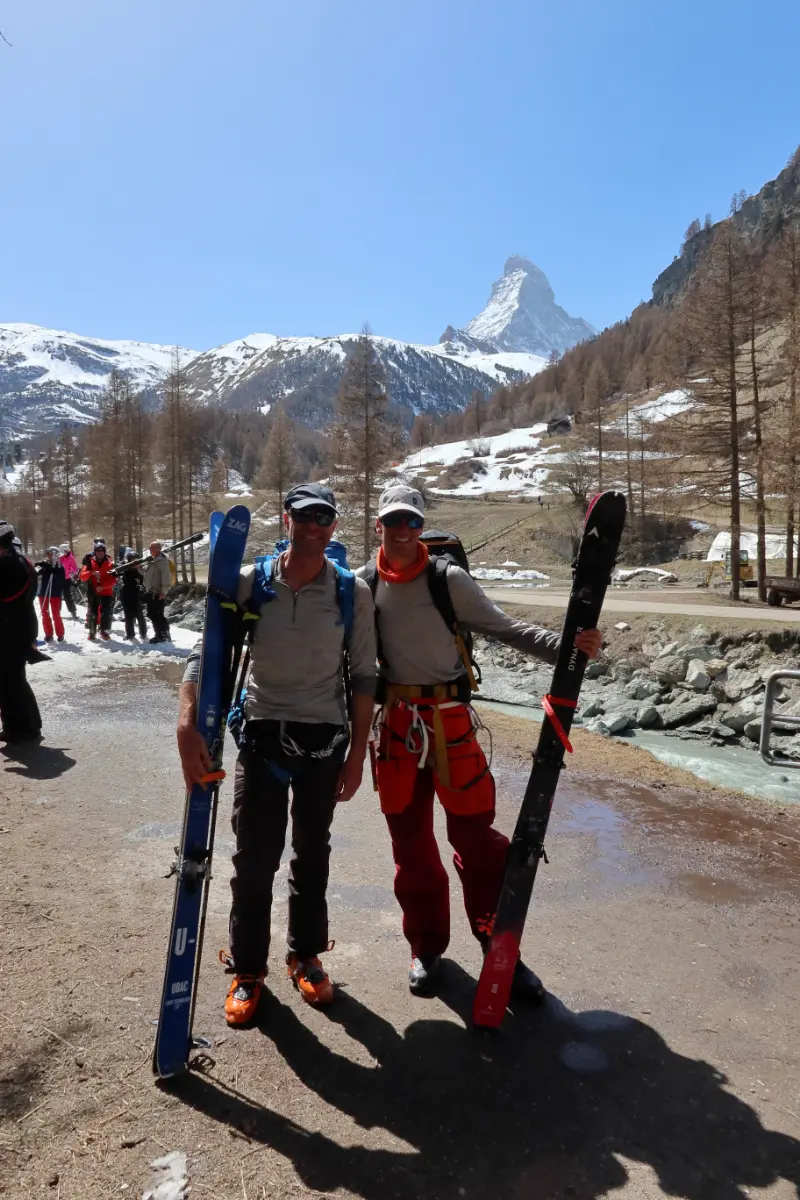
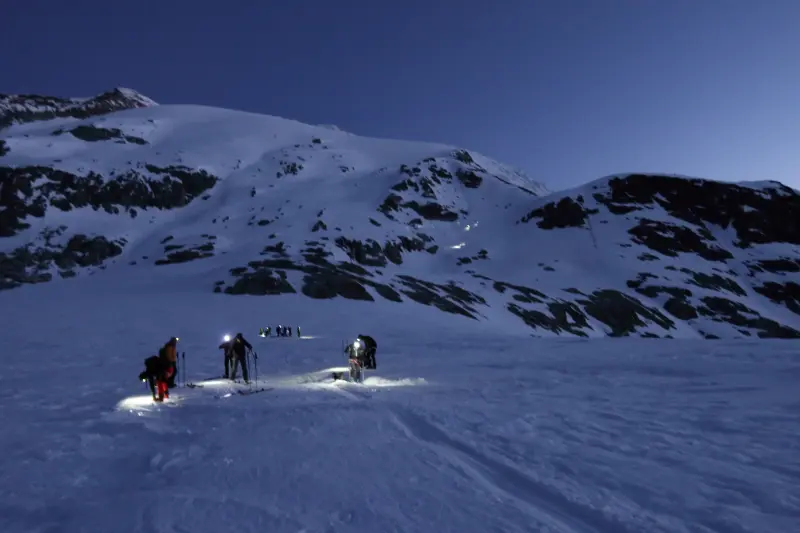
At last, the final day. And it was a massive one: three cols and an enormous ski down into Zermatt. The route was bustling, which is to be expected as all Haute Route variations converge here. Following a very early breakfast, we skied down to the glacier in the pre-dawn darkness for our first transition. We skinned up to the Col de l’Évêque, followed by a sequence of skiing and skinning toward the Col du Mont Brulé—the top section of which required boot crampons. Another descent, featuring a cheeky side-stepping climb in the middle, brought us to the base of our final ascent: the Col de Valpelline. Cresting this col is a magical moment; the iconic Matterhorn suddenly dominates the skyline, and you can truly sense the culmination of the journey. The trip isn’t quite over yet, though. Ahead lay roughly three hours of mixed skiing, ski-carrying, and walking into the heart of Zermatt, where we finally celebrated, paying homage to all those who dare to take on this or any other grand alpine route.
Ultimately, we were blessed with incredible snow conditions and cooperative weather. We tackled every obstacle with a positive spirit and prevailed. Making it to Zermatt under human power is an achievement few can claim—especially when doing it the pure way.