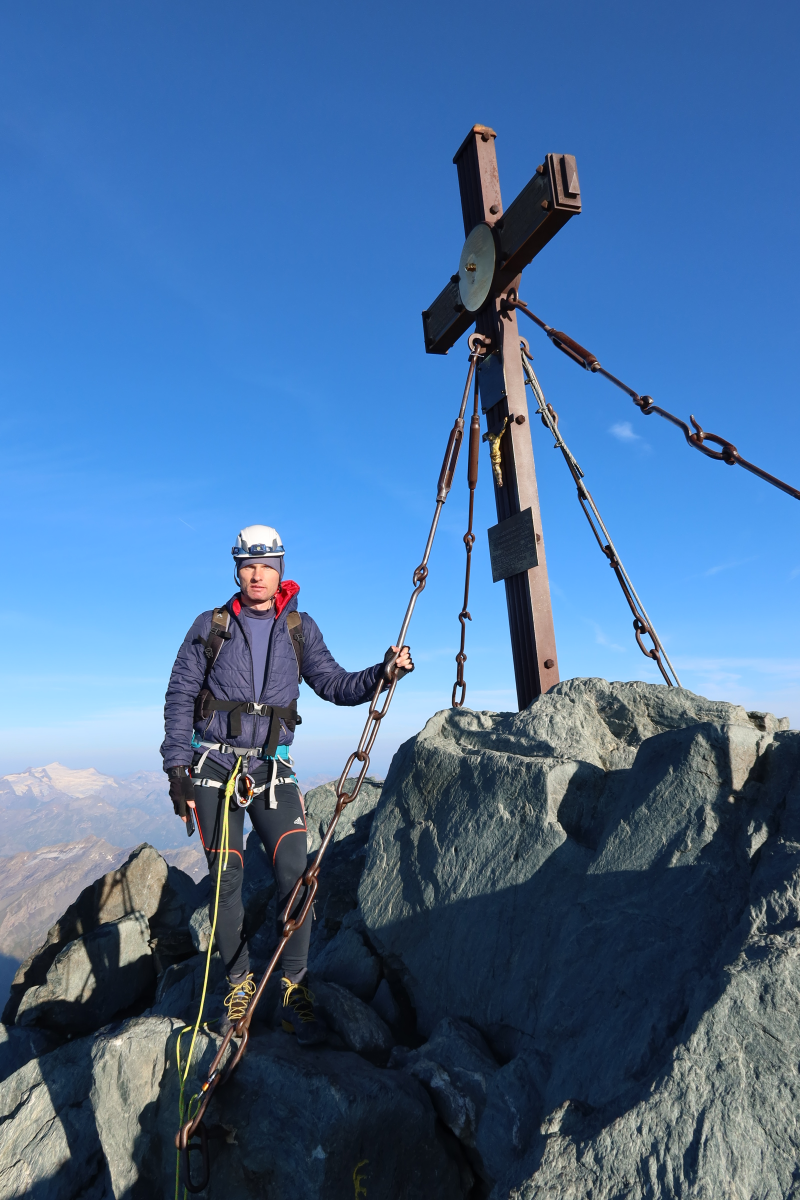
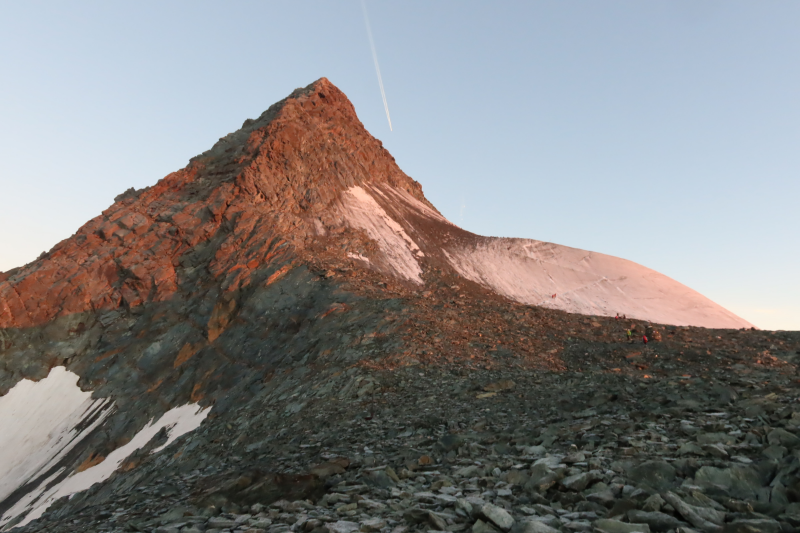
Grossglockner (3,798 m), known in Slovene as Veliki Klek, is the highest mountain in Austria and is located in the Hohe Tauern range of the Eastern Alps. The first documented ascent was made on July 28, 1800. The mountain also has a special connection to Slovenia through its Slovene name and through the Slovenian mountaineer, explorer, and priest Valentin Stanič, who reached the summit just one day after the first ascent.
An ascent of Grossglockner is one of the finest and most popular alpine objectives in the Alps. Due to its glaciers, exposed ridges, and often heavy traffic near the summit, climbing with a certified IFMGA mountain guide is the safest and most effective way to reach the top.
We offer guided ascents via the Normal Route, the more demanding Stüdlgrat Ridge, the highly challenging Glocknerwand Traverse, and the impressive North Face of Grossglockner. Each route provides a unique alpine experience suited to different levels of skill, fitness, and mountaineering experience.
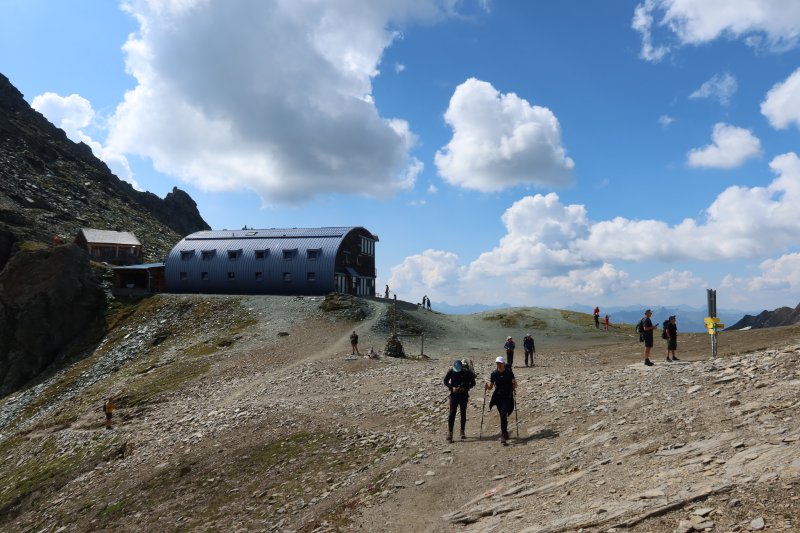
The climb is almost always structured as a 2-day itinerary, starting from Kals am Großglockner (usually the Lucknerhaus parking area at 1,920 m) on the south side of the massif.
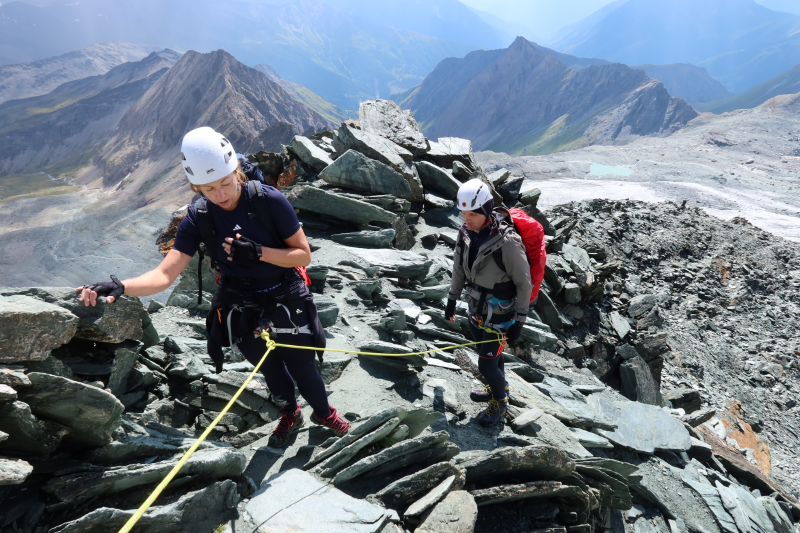
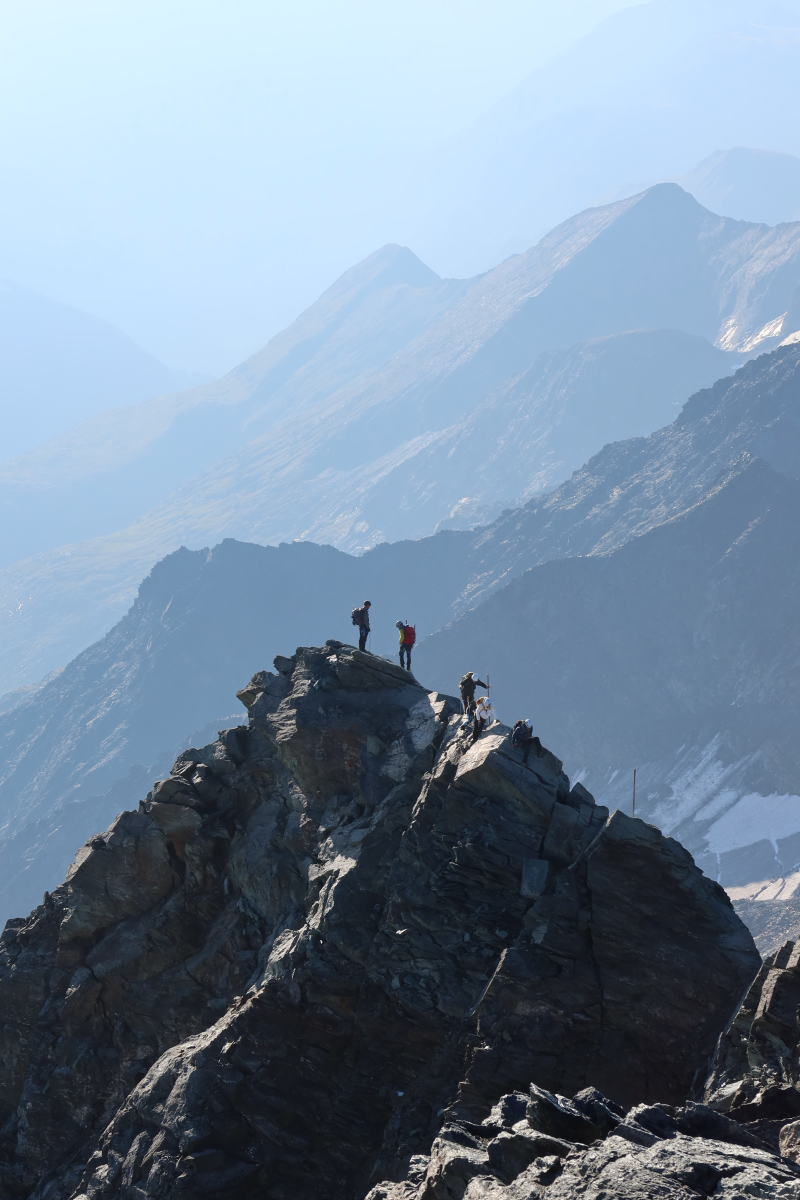
The Plan: Day 1 involves a hike up to either the Stüdlhütte (2,801 m) or higher up to the Erzherzog-Johann-Hütte (3,454 m), which is Austria’s highest mountain hut. Staying at the Erzherzog-Johann-Hütte makes summit day much shorter but requires a heavier initial push. Day 2 goes across the Ködnitzkees glacier, up the steep snow/ice slope of the Glocknerleitl (up to 40°), and along the highly exposed, narrow rock ridge crossing the Kleinglockner to the main summit.
Difficulty: PD (Peu Difficile) / UIAA Grade I & II rock climbing.
Guiding Ratio: Maximum 1:3 (1 guide to 3 clients), though in the high season local guides prefer 1:2 for maximum safety on the exposed summit ridge.
The Stüdlgrat (Southwest Ridge)
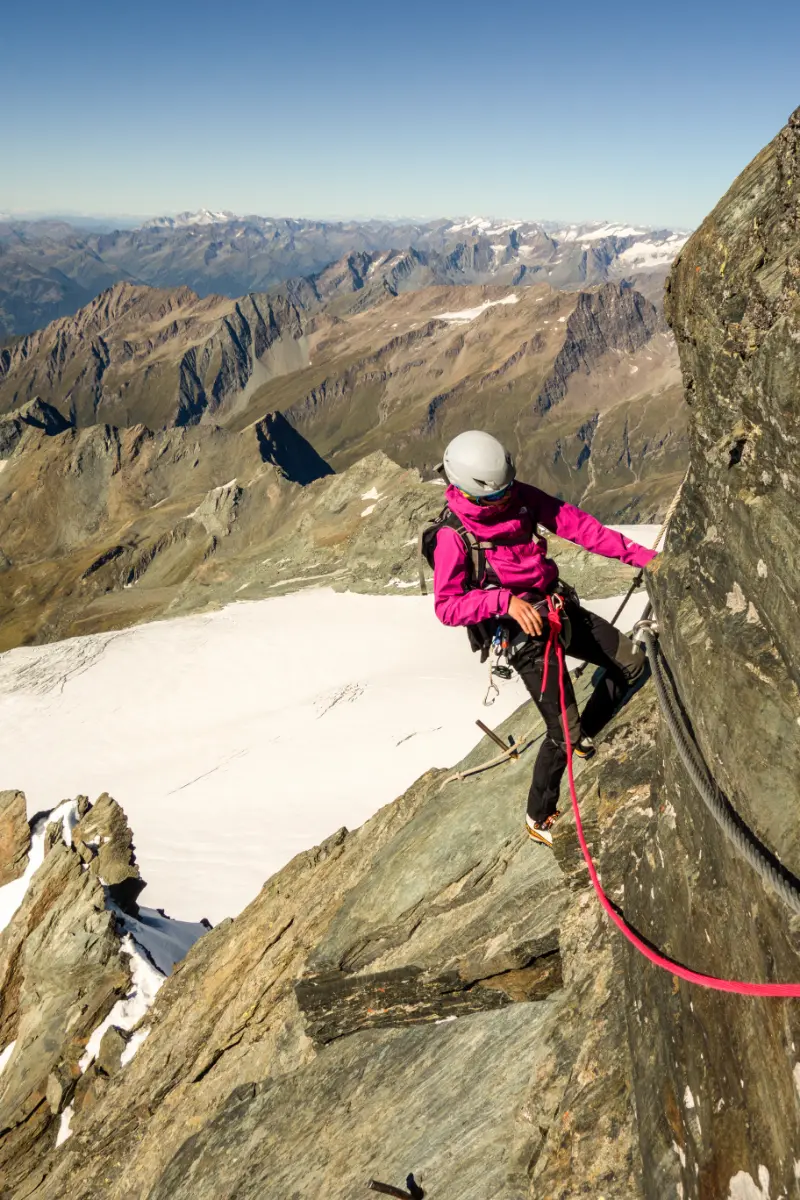
The Plan: This is the ultimate classic ridge climb of the Eastern Alps for experienced mountaineers. You stay overnight at the Stüdlhütte. On Day 2, you branch off onto the ridge crest. It offers sustained, highly airy rock climbing on solid granite, bypassing the crowded normal route on the ascent. You then descend via the Normal Route.
Difficulty: AD (Assez Difficile) / UIAA Grade III+ rock climbing. Requires excellent fitness, moving efficiently in alpine boots, and a very solid head for heights.
Guiding Ratio: Strictly restricted to 1:2 due to the technical nature of the ridge.
For more information about other climbs let us know
The best season runs from mid-June through September. If you’d like to look into specific availability for a particular set of dates, or if you want to narrow down the choice between the classic Normal Route or the sharper Stüdlgrat based on your team’s current alpine experience, let us know!